
Aging Cast Iron Waste Lines Beneath Harlingen Slabs
In Harlingen, homes constructed prior to the mid-1980s—particularly in historic neighborhoods near Downtown Harlingen and established subdivisions around the Arroyo Colorado—were plumbed using heavy cast-iron sanitary drain pipes embedded beneath concrete slabs. While cast iron was once the standard building material, it possesses an engineered lifespan of approximately 40 to 60 years.
Today, thousands of homes in Cameron County face decaying cast iron drain under slab Harlingen systems. Sewer gases containing sulfuric acid create channeling corrosion along the bottom trough of the pipe, slowly dissolving the iron. Over decades, the bottom of the pipe rots out completely, transforming the sewer line into an open trench of raw sewage running beneath the concrete slab.
How Drain Leaks Differ from Supply-Line Slab Leaks
It is vital for homeowners to recognize the operational differences between potable water supply slab leaks and sanitary drain failures:
Pressurized Water Supply Slab Leaks
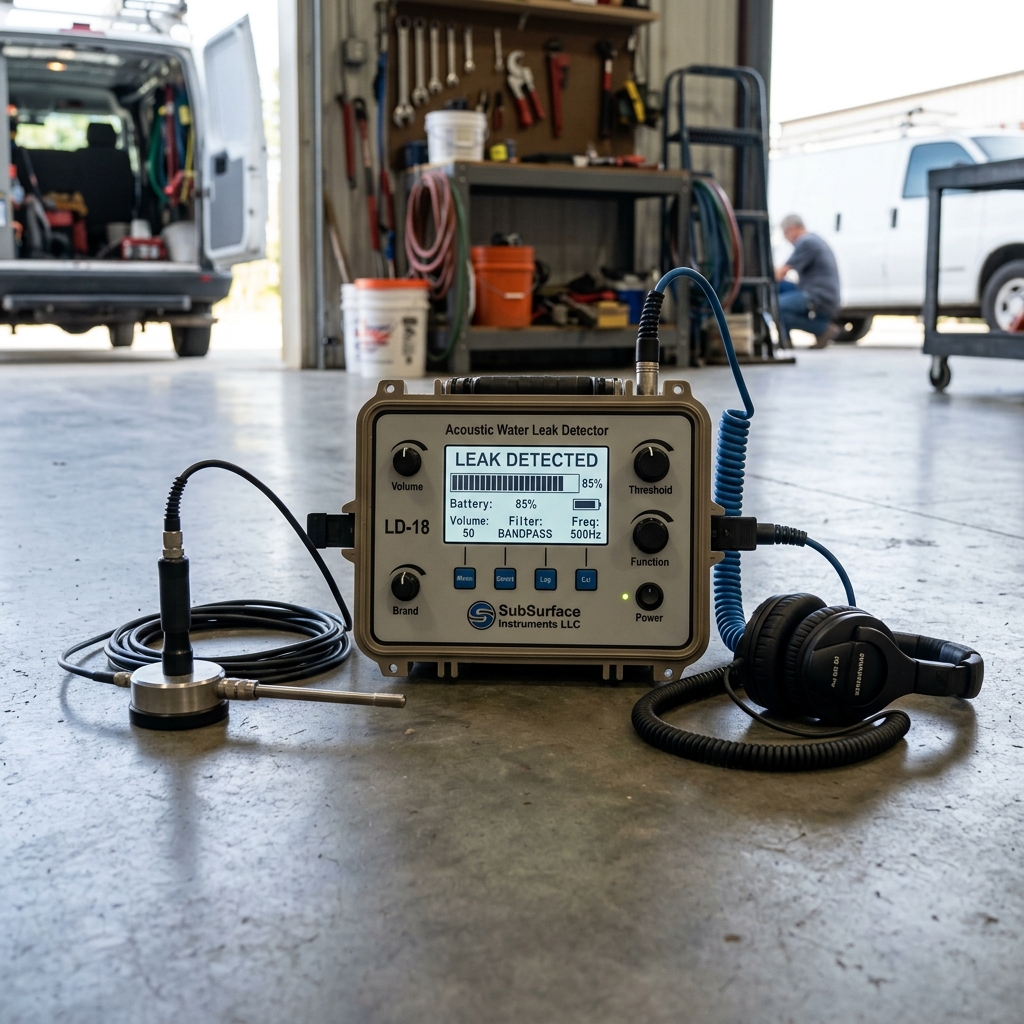
Supply lines carry fresh drinking water under continuous municipal pressure (50–70 PSI). When these copper lines crack, water sprays continuously 24 hours a day, causing water meters to spin, energy bills to spike, and warm spots to emerge on floors. They are located using acoustic sensors and thermal cameras.
Gravity-Fed Sewer Line Under Slab Harlingen
Drain lines carry wastewater away using gravity. When an under-slab cast iron drain cracks or collapses, wastewater escapes only when plumbing fixtures are drained. There is no water meter movement. Instead, escaping effluent slowly washes away supporting clay soil, leading to subterranean foundation voids, persistent sewer odors, and recurrent drain backups.
Experiencing Chronic Backups or Sewer Odors?
Cast iron pipes rot from the bottom up beneath concrete slabs. Schedule a high-definition fiber optic sewer camera inspection today.
(888) 205-7875 Direct telephone dispatch for Harlingen cast iron drain servicesSigns Your Under-Slab Cast Iron Drains Are Failing
Watch for these distinctive indications of underground cast iron deterioration throughout your home:
Recurring Multiple-Fixture Backups
Toilets, bathtubs, and floor drains backing up simultaneously. Rust flaking and scale create rough snag points that catch toilet paper and solid waste.
Persistent Sewer Gas Odors
Foul, sulfuric sewer smells lingering in bathrooms, laundry rooms, or utility hallways due to rotted crowns allowing sewer gas to penetrate living spaces.
Drain Flies or Insect Infestations
Phorid flies or drain gnats breeding in sewage-soaked soil beneath the slab and entering living areas through baseboards and floor cracks.
Floor Settlement or Hollow Sounds
Escaping drain wastewater washing away sub-slab fill, resulting in sinking floor tiles, cracked grout, or a hollow echo when walking across the floor.
Diagnostic Camera Inspection and Hydrostatic Testing
Before undertaking any pipe rehabilitation, our technicians perform thorough diagnostic assessments:
- High-Definition Sewer Camera Inspection: A self-leveling fiber optic camera is routed through the main cleanout. The monitor displays internal scaling, structural cracking, root intrusion, and bottom channel erosion in real time.
- Hydrostatic Pressure Testing: Inflatable test balls are positioned at the building perimeter cleanout to fill the under-slab drain network with water. A calibrated standpipe reveals whether the system holds static liquid or leaks wastewater into sub-slab soil.
Replacement Options: Tunneling vs. Trenching vs. Cast Iron Pipe Lining Harlingen
When executing cast iron pipe replacement Harlingen, homeowners can evaluate three primary engineering approaches:
Sub-Slab Tunneling (Recommended Preservation Method)
Crews dig an exterior access pit outside the foundation wall and tunnel horizontally beneath the concrete slab. Technicians remove the rotted cast iron and hang new Schedule 40 PVC drain lines, preserving all interior flooring, cabinetry, and tile completely intact.
Interior Concrete Trenching
In homes where tunneling access is structurally blocked or cost-prohibitive, trenches are cut directly through interior floors. While effective, it requires homeowners to replace flooring and coordinate dust remediation.
Cast Iron Pipe Lining Harlingen (CIPP)
Cured-In-Place Pipe (CIPP) lining inserts an epoxy-saturated sleeve inside the host pipe to create a seamless structural liner. This method is effective when the host cast iron maintains sufficient structural integrity, though missing bottom channels often require full replacement.
Schedule Cast Iron Drain Evaluation
Protect your home foundation from sewage erosion. Talk with a local drain specialist to book camera diagnostics and tunneling estimates.
(888) 205-7875 Call (888) 205-7875 to speak directly with our teamServing Harlingen and Neighboring Cameron County Towns
We provide under-slab cast iron drain inspection and replacement throughout Harlingen, including historic properties in Downtown Harlingen and along the Arroyo Colorado corridor, as well as residences in Treasure Hills. We also service older neighborhoods in San Benito, La Feria, and Mercedes. Visit our Service Areas directory or read about insurance documentation for cast iron claims.